
 By Bogdan Rancea
After testing all the major players, I can confidently say that Shopify is the best alternative to BigCommerce in 2025. It’s easier to use, more flexible with design and apps, and simply gives store owners a better experience overall.
But like BigCommerce, Shopify isn’t for everyone. So what other options are out there?
Here are the best BigCommerce alternatives I’ve tested:
Top Alternatives to BigCommerce
| Platform | Best For |
|---|---|
| Shopify | Most users looking for ease + apps |
| Wix | All-in-one setup for beginners |
| Squarespace | Brand-first stores and services |
| Ecwid | Adding a store to any existing site |
| Cart.com | Scaling DTC or enterprise brands |
| Snipcart | Developers using static site setups |
| PrestaShop | Multilingual or complex eCommerce |
| Magento | Enterprise builds with dev teams |
Comparing BigCommerce Alternatives (Feature Overview)
| Platform | Overall Rating | Starting Price | Free Plan | Best Feature | Not Ideal For |
|---|---|---|---|---|---|
| Shopify | ★ 4.9/5 | $29/mo | 3-day trial | Huge app ecosystem | SEO control, advanced URL edits |
| Wix | ★ 4.7/5 | $17/mo | ✅ | Best drag-and-drop builder | Scaling beyond 100s of products |
| Squarespace | ★ 4.5/5 | $16/mo | 14-day trial | Templates + bookings | Complex inventories |
| Ecwid | ★ 4.3/5 | Free | ✅ | Fast plug-in store setup | Full control/customisation |
| Cart.com | ★ 4.6/5 | Contact sales | ❌ | Full-stack eCom + fulfillment | Small businesses |
| Snipcart | ★ 4.2/5 | $10/mo | ❌ | Works with any static site | Beginners, non-devs |
| PrestaShop | ★ 4.1/5 | Free (self-hosted) | ✅ | International stores | Beginners |
| Magento | ★ 4.0/5 | Free (Open Source) | ❌ | Advanced dev customisation | Cost, complexity |
What’s Changed in 2025?
The eCommerce platform landscape has shifted fast over the past year. Here’s what’s new and relevant in 2025 that affects your platform choice:
- AI tools are now built-in to several platforms (Shopify, Wix, Cart.com), helping you generate product descriptions, tag images, and segment customers automatically.
- Multi-language and international support are no longer “nice to have” — platforms like PrestaShop, Shopify, and Squarespace have improved this significantly.
- Headless commerce has become more accessible, with platforms like Ecwid and Snipcart allowing more flexible frontend experiences for developers.
- Performance, SEO, and mobile checkout have improved across the board — but not all platforms have kept up with Google’s Core Web Vitals or accessibility standards.
Why People Are Leaving BigCommerce in 2025
BigCommerce still works for some businesses, especially if you’re already set up and happy with it. But I’ve noticed a lot more store owners looking to migrate in the past 12 months.
Here’s what I’m hearing from them — and what I’ve seen myself.
Top reasons why merchants are switching from BigCommerce:
- Template editing is still clunky. It feels outdated compared to Shopify or Wix’s drag-and-drop builders.
- App ecosystem is limited. You’re locked into fewer integration options unless you have a dev team to work around limitations.
- Cost can creep up. BigCommerce charges based on your revenue tiers, and you hit upgrade thresholds fast — which can feel punishing if you grow quickly.
- Limited innovation. While other platforms are rolling out AI tools, headless support, or built-in analytics upgrades, BigCommerce has lagged behind in 2025.
- Support has become hit or miss. Several clients reported longer response times and inconsistent help from support this year.
If any of that sounds familiar, or if you’re just feeling boxed in, you’re not alone — and switching platforms can unlock a much smoother workflow.
1. Shopify: Best Overall BigCommerce Alternative
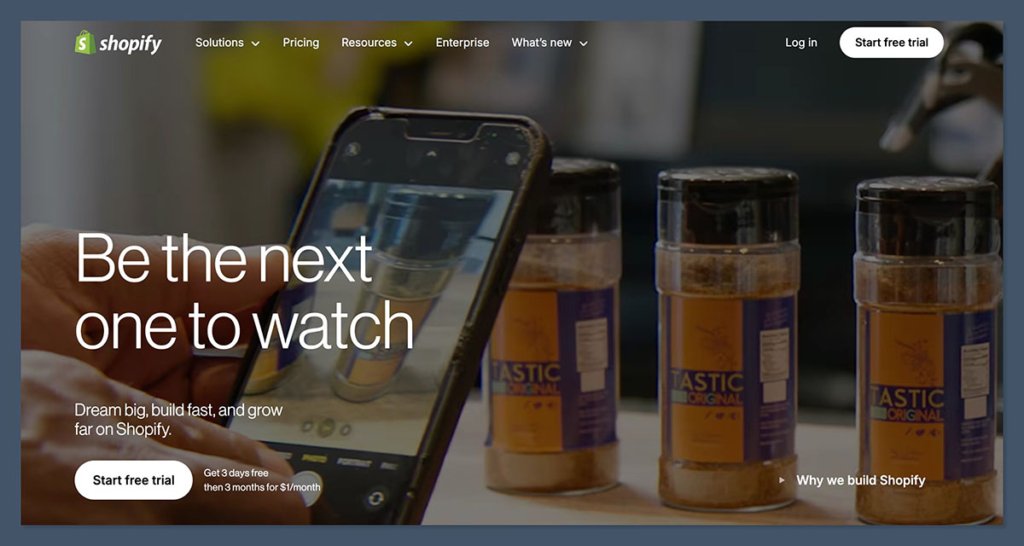
For almost every store owner I work with, Shopify becomes the go-to. It’s just easier. The interface is cleaner than BigCommerce. The ecosystem is massive. You can sell anything from physical goods to digital products and subscriptions.
Shopify is still the strongest BigCommerce alternative. It’s fast to set up, easy to use, and offers deep functionality for stores of all sizes. The admin interface is smoother than BigCommerce, and the App Store covers everything — from subscriptions to AI product description generators.
Themes are easier to customize, and features like Shopify Payments, Shop Pay, and one-page checkout simplify selling across borders.
Downsides? SEO limitations like locked URL structures still annoy power users. And while the app ecosystem is powerful, it can get expensive if you’re stacking paid tools. Still, it’s the most complete and scalable option on the list.
What stands out
- Massive app ecosystem. Everything you need is one integration away — email, reviews, loyalty, subscriptions, AI tools — all plug-and-play.
- Themes are modern and responsive. Easier to customize than BigCommerce’s limited template options.
- AI-generated product content. Shopify Magic now helps with writing product descriptions, saving a ton of time.
- Shopify Payments and global selling tools. Get started fast without needing third-party gateways or add-ons.
Where Shopify still falls short
- URL structures and SEO settings are still limited. You can’t fully customize blog or product URLs, which is a pain for SEO-focused stores.
- Apps can get expensive. Monthly costs can add up fast if you need advanced features.
- Multi-language support requires some workarounds. It works, but it’s not as seamless as platforms like PrestaShop.
Verdict
If you want to get selling fast with the least stress, use Shopify. It’s not perfect, but it’s the smoothest ride — and a huge upgrade from BigCommerce in terms of user experience.
2. Wix: Best All-In-One Builder for Simpler Stores
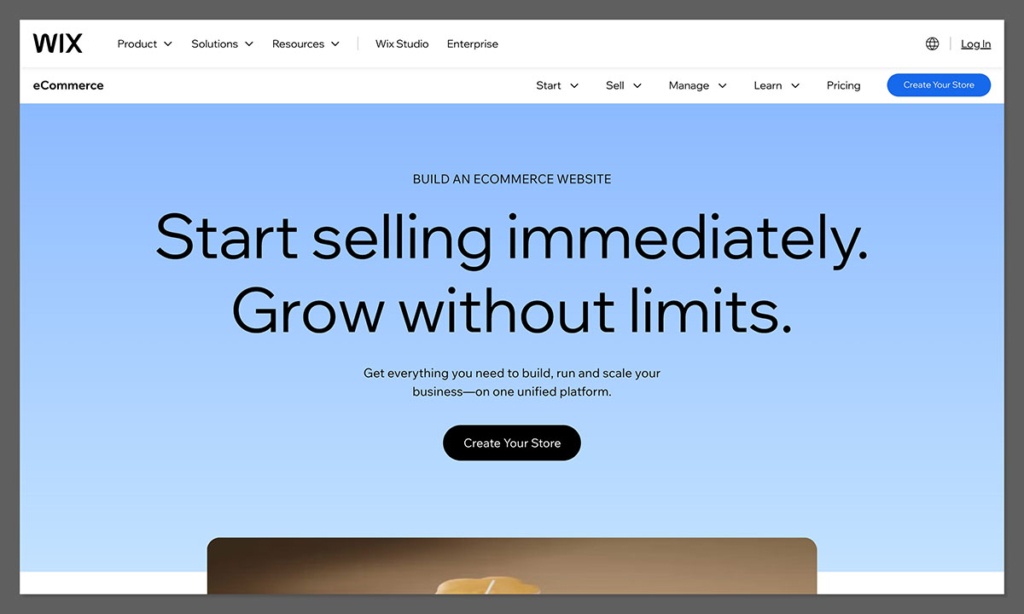
Wix is perfect if you want a website and store in one place without getting too technical. I’ve used it for client shops that needed to go live fast with clean design and simple features.
Wix works great for small stores or side projects. Its drag-and-drop builder gives you full design control without touching code, and the new Wix Studio adds more flexibility for freelancers and agencies.
For new store owners, the AI setup and built-in marketing tools are huge time savers.
The catch? It doesn’t scale well. Big catalogs, custom checkouts, or advanced filters will slow things down.
Plus, the app store is smaller and less robust than Shopify’s. But if you just want a clean site with an integrated store, Wix is faster and friendlier than BigCommerce.
What I Like:
- Drag-and-drop everything. There’s no learning curve — you get full layout control with no coding needed.
- AI website builder. It actually works now — you can spin up a decent site in minutes based on prompts.
- Built-in tools. You get email marketing, bookings, and blogs all baked into the platform.
- Good starter SEO tools. You can manage meta titles, URLs, and structured data fairly easily.
What I Don’t Like:
- Not built to scale. If you plan to manage hundreds or thousands of products, it starts to get slow and clunky.
- Custom checkout options are limited. It’s not ideal for custom flows or international tax/shipping setups.
- App store is smaller. Fewer niche apps compared to Shopify.
Verdict:
Wix is the best BigCommerce alternative for new or small stores that want an easy setup with strong website tools built-in.
If you’re launching your first store or selling a small catalogue of products or services, Wix is probably all you need. It’s much easier to use than BigCommerce and gets you live fast.
3. Squarespace: Best for Creative + Brand-Driven Stores

Every time I help a designer, artist, or boutique store get online, they always ask for something that looks good. That’s where Squarespace wins. It’s easy to use and their templates are unmatched.
They’ve improved support for eCommerce, multi-language sites, and services — making it more viable for selling online.
Built-in tools like bookings, memberships, and client scheduling make it perfect for service-first or creative businesses.
However, it’s not ideal for stores with complex inventories or advanced shipping needs. The app ecosystem is small, and custom dev work is limited.
Still, for visual brands or consultants, it offers a much more elegant experience than BigCommerce — with way less friction.
What I Like:
- Stunning design templates. You won’t need to hire a designer — the sites look polished out of the box.
- Built-in scheduling and service tools. Perfect for coaches, creatives, and wellness businesses.
- Easy blogging experience. Helps support SEO without extra tools.
- Improved checkout features. Selling subscriptions, digital products, and services is easier than before.
What I Don’t Like:
- Inventory management is basic. Not ideal if you’re selling hundreds of SKUs or physical products with variants.
- No POS system or robust app ecosystem. It’s not designed for complex eCommerce workflows.
- Limited flexibility. You’re still working within a walled garden — no deep customization or dev-level control.
Verdict:
Squarespace beats BigCommerce when it comes to clean design, simplicity, and branding. It is a fantastic BigCommerce alternative if you want a site that looks amazing and you don’t need every advanced eCommerce bell and whistle.
Ideal for service providers, consultants, or boutique shops.
4. Ecwid: Best for Adding a Store to Any Site
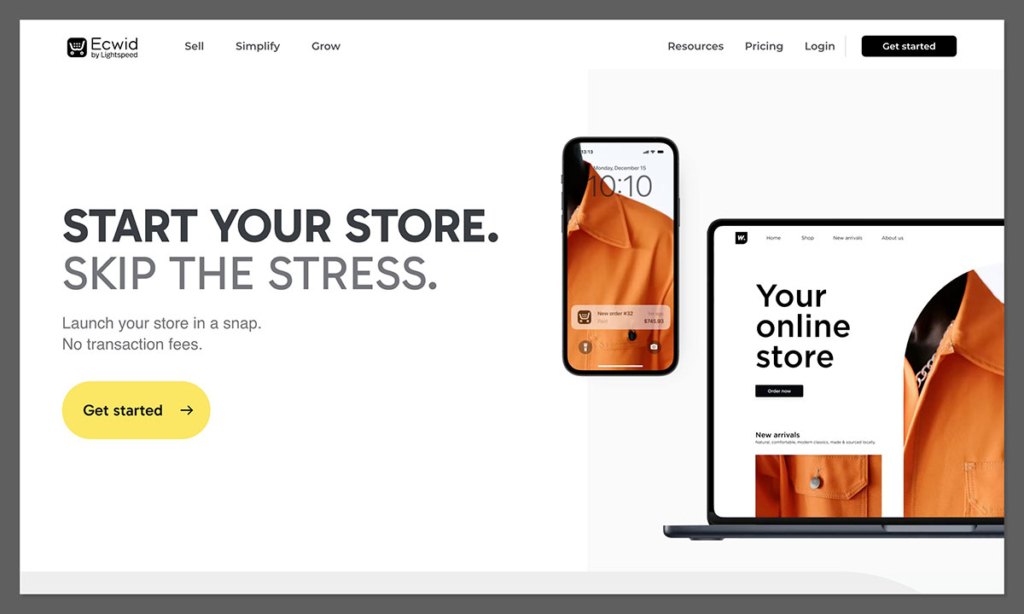
I’ve used Ecwid for businesses that already had a great website but needed a store quickly. It plugs into WordPress, Webflow, or even plain HTML — without a full migration.
The free plan lets you test it out, and the mobile checkout flow is smooth right out of the box.
It’s not a full website platform, though. You don’t get full content control or CMS features. And more advanced tools (like abandoned cart emails or product filters) require paid tiers.
But if you’re trying to avoid a full migration off BigCommerce, Ecwid saves time and keeps your existing site in place.
What I Like:
- Fast setup. You can be live in under an hour, even with a decent catalog.
- Free plan available. Sell up to 5 products at no cost — great for testing the waters.
- Good mobile checkout UX. The cart experience is smooth and optimised.
- Supports subscriptions, digital goods, and physical products.
What I Don’t Like:
- Limited customization. You’re somewhat restricted in how things look unless you use CSS.
- Lacks full CMS features. It’s a store, not a website builder — so no blogging, custom pages, or design control.
- Advanced features require paid plans. Things like email marketing, abandoned cart, and SEO tools are tiered.
Verdict:
If you already have a website and want to bolt on eCommerce, Ecwid is your best bet. It saves time, money, and works without rebuilding your site.
5. Cart.com: Best for Scaling Beyond Shopify or BigCommerce
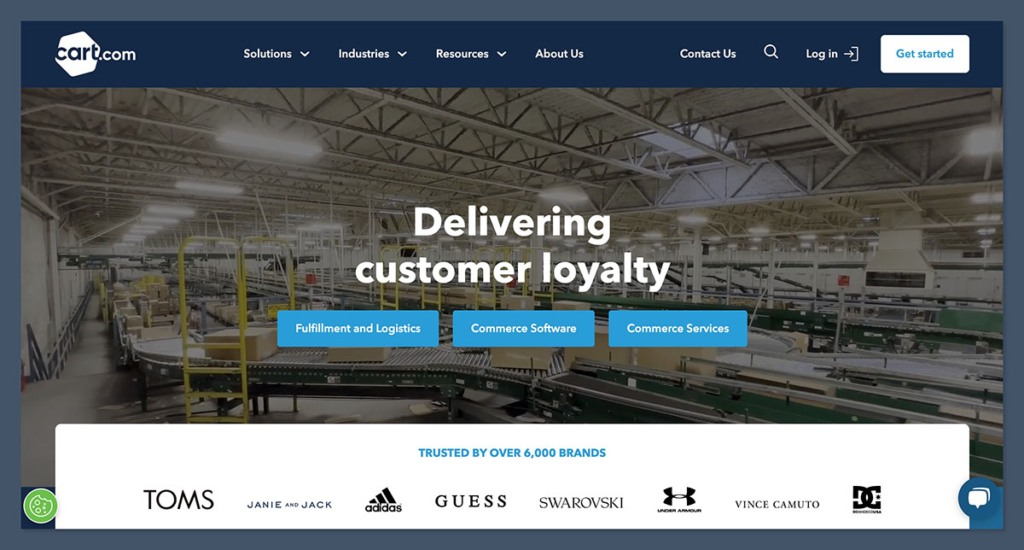
Cart.com is built for brands doing serious volume — think 7- or 8-figure DTC businesses.
It’s more than just a storefront; it includes fulfillment, CRM, marketing automation, and analytics all under one roof. If you’ve hit the limits of BigCommerce or Shopify Plus, this is a strong next step.
But it’s not DIY-friendly. There’s no self-serve onboarding, and pricing isn’t transparent — you’ll need to talk to sales.
It’s also more of an enterprise setup, which makes it overkill for small or midsize stores. Still, if you need infrastructure to grow aggressively, Cart.com brings it all together.
What I Like:
- Full-stack solution – Fulfillment, CRM, analytics included
- Serious infrastructure
- Multi-channel ready
- Good Shopify Plus alternative
What I Don’t Like:
- No transparent pricing
- Requires onboarding help
- Not self-serve or beginner-friendly
Verdict:
Cart.com is for brands doing 7-figures+ who’ve outgrown BigCommerce or Shopify’s limits. If that’s you, it’s a strong option to consider.
6. Snipcart: Best for Devs Who Want eCommerce on Static Sites
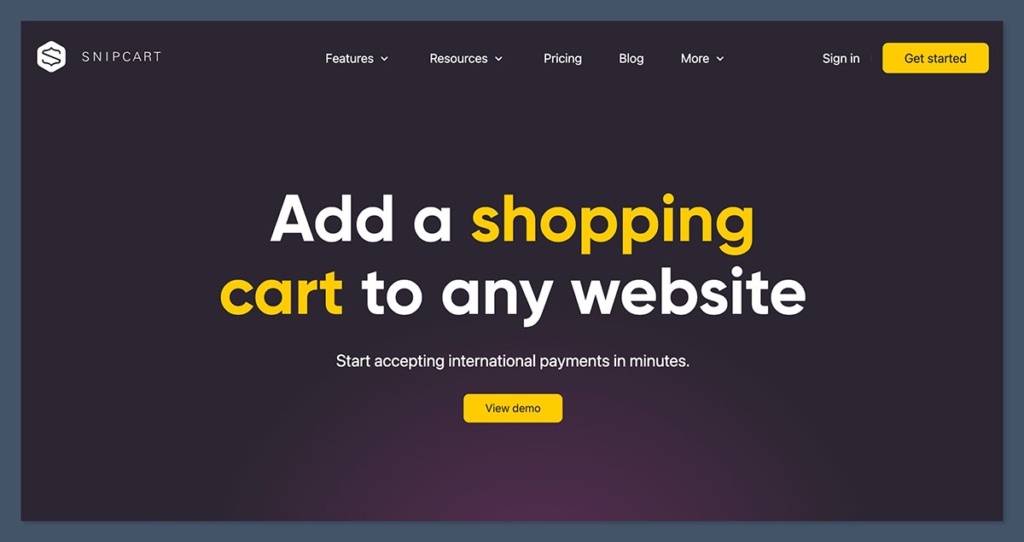
Snipcart is perfect if you want to add eCommerce to a static site or headless setup. It works with HTML, JAMstack, or any CMS, and gives devs total control over styling and logic.
The cart is lightweight, fast, and customizable down to the buttons and product logic.
That flexibility comes with a trade-off — it’s for devs only. There’s no drag-and-drop UI or dashboard for non-technical users.
If you’re not comfortable writing JavaScript or managing APIs, Snipcart will feel overwhelming. But for clean, fast builds, it’s one of the best niche tools out there.
What I Like:
- Dev-friendly
- Add to any static site or CMS
- Lightweight + fast
- Great documentation
What I Don’t Like:
- Needs JavaScript + coding knowledge
- No native backend UI for non-devs
- Harder to scale for larger catalogs
Verdict:
Snipcart is ideal for devs who want a simple, clean, and flexible eCommerce add-on. It’s not for beginners — but it’s perfect if you want speed and control.
7. PrestaShop: Best for International and Custom eCommerce
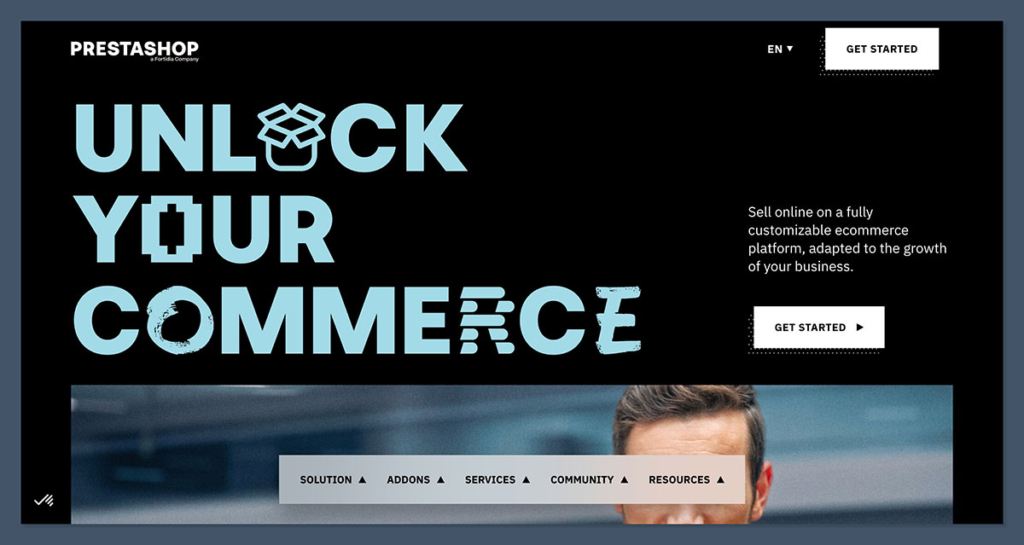
PrestaShop is open-source and totally customisable. I’ve worked on multilingual eCommerce sites using it, and it does the job well — if you’ve got a developer on hand.
PrestaShop is a free, open-source eCommerce platform that’s highly customizable. It supports multiple languages and currencies out of the box, and there’s a large library of modules and themes to extend it. If you’re selling internationally or need custom workflows, it can handle just about anything.
The flip side? It’s not beginner-friendly. You’ll need hosting, setup time, and usually a developer to get things dialed in. For large or complex stores, though, it offers way more flexibility than BigCommerce — and without a monthly platform fee.
What I Like:
- Full code control
- Multi-language and currency out of the box
- Free to install
- Big library of modules and themes
What I Don’t Like:
- Steep learning curve
- Requires hosting and setup
- Not plug-and-play
Verdict:
If you need international support and custom functionality, PrestaShop is a solid BigCommerce alternative — but it’s not beginner-friendly.
8. Adobe Commerce: Best for Enterprise-Grade Custom Stores
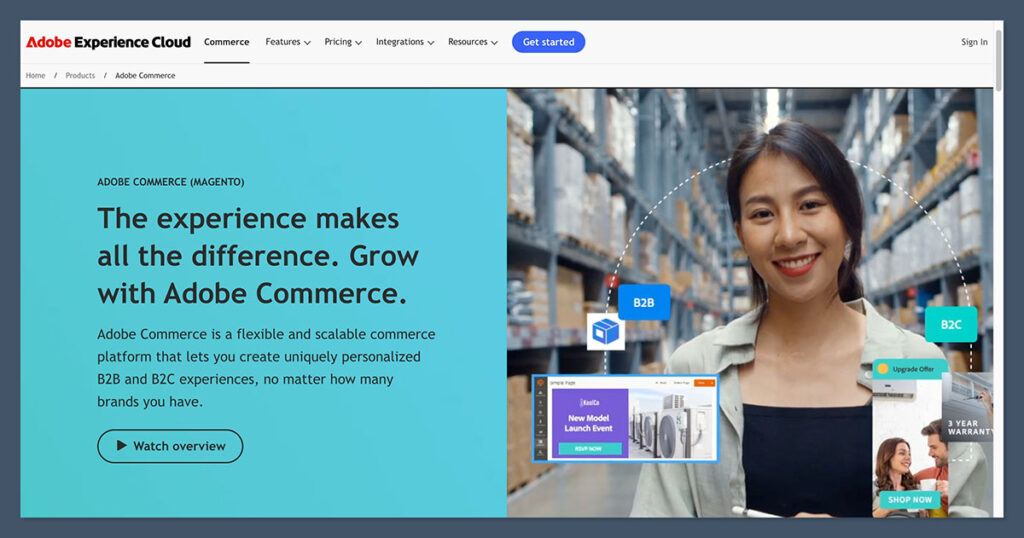
Magento (now Adobe Commerce) is still the heavyweight in enterprise eCommerce. It’s built for brands that need deep customization, complex catalogs, and multi-storefront capabilities.
You get advanced SEO features, robust user permissions, and integrations with CRMs, ERPs, and more.
But it’s not for small teams. You’ll need a developer (or a dev team), and costs can run high with hosting, maintenance, and customization.
Unless you’re running a large-scale operation with specific enterprise needs, it’s more power than most stores need. For the right use case, though, it’s unmatched.
What I Like:
- Insanely powerful features
- Built for scale
- Advanced SEO control
- Enterprise integrations
What I Don’t Like:
- Requires a dev team
- High hosting and dev costs
- Slow setup process
Verdict:
Magento only makes sense if you’ve got serious budget and resources. It’s a great BigCommerce alternative for enterprise — not for indie stores.
Read more: Adobe Commerce vs Shopify
Final Verdict
If I had to pick just one alternative to BigCommerce, it would be Shopify — hands down. It’s easier to use, faster to set up, and has way more flexibility when it comes to apps, design, and scaling. But depending on your needs, there are better fits.
Wix is perfect if you’re just starting out and want an all-in-one solution that’s beginner-friendly.
Squarespace is ideal if your business is brand-focused or service-based and you want beautiful templates without the learning curve.
If you already have a site and just want to add a store, Ecwid does that quickly without the need to rebuild.
For fast-growing brands doing 7+ figures, Cart.com gives you serious infrastructure and support to scale.
Snipcart is great for devs who want control without bloat, and PrestaShop works if you’re going international and need flexibility.
And if you’re running an enterprise-level store with deep custom needs, Magento has everything — but it’s not for the faint of heart.
Bottom line: don’t stick with BigCommerce just because you started there. There’s almost always a better fit.
FAQ: BigCommerce Alternatives
For most users, Shopify is easier to use, more flexible, and better supported. BigCommerce still works for some edge cases, but Shopify’s ecosystem and speed to launch make it the top pick.
Yes — if done right. You’ll need to map URLs, set up 301 redirects, preserve metadata, and resubmit your sitemap. Tools like LitExtension or Cart2Cart help automate this, but manual oversight is key.
Ecwid (free plan), Wix ($17/mo), and PrestaShop (free self-hosted) are the most budget-friendly. But watch for hidden costs like apps, hosting, or dev work.
Snipcart and PrestaShop are developer-friendly. Snipcart integrates easily with static sites, while PrestaShop is fully open source and customizable if you’ve got the dev skills.
Squarespace is ideal — it handles bookings, memberships, and service pages with clean design and no plugin hassle.
Look at Cart.com or Shopify Plus. Both offer the infrastructure, support, and features for brands doing 7–8 figures and beyond.
Thinking About Switching Platforms?
If BigCommerce is starting to feel like a bottleneck — in cost, speed, or flexibility — now’s a great time to consider moving.
- You don’t have to rebuild from scratch.
- Your SEO can transfer safely.
- Most platforms offer tools or partners to help you migrate without downtime.
Whether you’re moving to Shopify, trying Ecwid on your current site, or exploring a more scalable solution like Cart.com, switching can make your store faster, leaner, and more profitable.
Want help choosing the right one? Get in touch.


