
 By Bogdan Rancea
Magento has long been a powerful ecommerce platform, especially for brands that needed deep customization and control.
But today, more store owners are looking for faster, leaner, and easier-to-manage alternatives.
Whether you’re frustrated with Magento’s complexity, rising development costs, or upgrade headaches, there are now plenty of strong alternatives available, ranging from user-friendly SaaS platforms to flexible open-source options.
My team and I researched and tested each platform’s pricing, features, usability, and support to create this ranked list.
Below, you’ll find our top recommendations for 2026, including what each platform is best at and how they compare.
Quick Comparison: Magento Alternatives
| Platform | Best For | Starting Price | Free Trial | Key Features | Overall Score |
|---|---|---|---|---|---|
| Shopify | Fast growth without dev ops | $39/mo | 3 days | Built-in checkout, app store, multi-channel selling | 4.8 |
| BigCommerce | B2B and mid-size brands | $39/mo | 15 days | Strong APIs, built-in features, multi-storefront | 4.5 |
| WooCommerce | Content-heavy commerce | Free plugin | No | WordPress integration, full control, SEO-friendly | 4.3 |
| PrestaShop | Lightweight open-source | Free (self-hosted) | No | EU-focused, flexible modules, custom dev | 4.2 |
| OpenCart | Simple stores with basic needs | Free | No | Easy setup, modules, basic ecommerce | 4.1 |
| Shopware | Complex catalogs and B2B | €600/mo | Yes (for hosted) | Headless support, B2B features, strong CMS | 4.0 |
| Salesforce Commerce Cloud | Enterprise-level scale | Custom | No | Full Salesforce ecosystem, multi-site | 4.0 |
| commercetools | Composable commerce setups | Custom | No | API-first, modular stack, scalable infrastructure | 4.0 |
| VTEX | Unified commerce and marketplaces | Custom | No | B2B/B2C, marketplaces, headless support | 3.9 |
| Wix | Visual-first small stores | $39/mo | Free plan | Drag-and-drop, design templates, fast launch | 3.8 |
| Squarespace | Beautiful storefronts | $28/mo | 14 days | Templates, booking tools, easy editor | 3.7 |
Why Not Magento?
Magento used to be the go-to platform for serious ecommerce businesses.
It offered full control, complex catalog handling, and flexibility that most SaaS tools couldn’t match. But for many store owners today, Magento has become more of a burden than a benefit.
If you’re considering switching or starting fresh, here are the main reasons businesses are moving away from Magento in 2026:
1. It’s expensive to run
While Magento Open Source is technically free, most businesses end up spending thousands per year on developers, hosting, security, and third-party modules. For Magento Commerce (Adobe Commerce), you’ll need an even larger budget.
2. Development takes longer
Magento requires backend expertise for even basic changes. If you want to update your checkout, add a new feature, or redesign a page, you’ll need to involve a developer and go through a deployment process. That slows down your ability to react to customers or market trends.
3. Hosting and performance are on you
Magento doesn’t come with hosting. You’ll need to handle server management, caching, CDNs, SSL, backups, and uptime yourself, or hire someone to do it. That adds another layer of cost and risk.
4. Updates and upgrades are painful
Magento version upgrades often break extensions or require testing across the entire store. Even minor security patches can turn into time-consuming dev projects.
5. Smaller talent pool
Compared to Shopify, WooCommerce, or other modern platforms, it’s harder and more expensive to find experienced Magento developers. This creates a bottleneck, especially when you need urgent changes.
6. Slower time to market
If you’re launching a new store or campaign, Magento usually isn’t the fastest way to do it. You’ll need weeks or even months to get everything ready.
Who should still use Magento?
Magento still makes sense for businesses with in-house development teams, highly complex product rules, or strict hosting requirements. But for most growing brands, there are now faster, cheaper, and easier ways to run a professional ecommerce store.
Find below the best Magento Alternatives:
1. Shopify – Best All-In-One Alternative to Magento

💰 Starting price: $39 per month
🎯 Best for: Fast-growing brands that want simplicity and speed
🧪 Free trial: 3 days
Shopify is the leading choice for store owners who want to focus on growth instead of backend management.
It’s easy to launch, fast to scale, and ideal for businesses that don’t want to deal with servers, patches, or plugin conflicts.
I found Shopify especially useful for businesses with lean teams and a strong focus on multi-channel sales, including Instagram, TikTok, and Amazon.
✔️ Pros
- Fast and intuitive setup
- Reliable hosting and security included
- Massive app ecosystem
- Optimized checkout experience
❌ Cons
- Customization can be limited without apps or code
- Transaction fees if you avoid Shopify Payments
- Monthly costs can increase with multiple apps
Bottom Line:
If you’re switching from Magento to reduce dev overhead and simplify operations, Shopify is the best alternative.
2. BigCommerce – Best for Mid-Sized and B2B Brands

💰 Starting price: $39 per month
🎯 Best for: Businesses scaling beyond Shopify or Magento
🧪 Free trial: 15 days
BigCommerce is a SaaS platform like Shopify, but with more native ecommerce features built in.
It supports B2B operations, complex product rules, and APIs for custom frontends. Unlike Shopify, there are no additional transaction fees.
I found BigCommerce more flexible when handling tax rules, user groups, and advanced catalog structures.
✔️ Pros
- More features built in (no need for as many apps)
- Excellent for B2B and multi-storefronts
- No platform transaction fees
- Strong SEO tools and fast site speed
❌ Cons
- Themes and frontend customization can require developer help
- Higher-tier plans can get pricey
- Fewer app integrations than Shopify
Bottom Line:
If you’re a Magento user with B2B or complex product needs, BigCommerce is a strong fit.
3. WooCommerce – Best for Content-First Ecommerce
💰 Starting price: Free plugin (costs come from hosting and plugins)
🎯 Best for: Brands combining content and commerce
🧪 Free trial: Not applicable
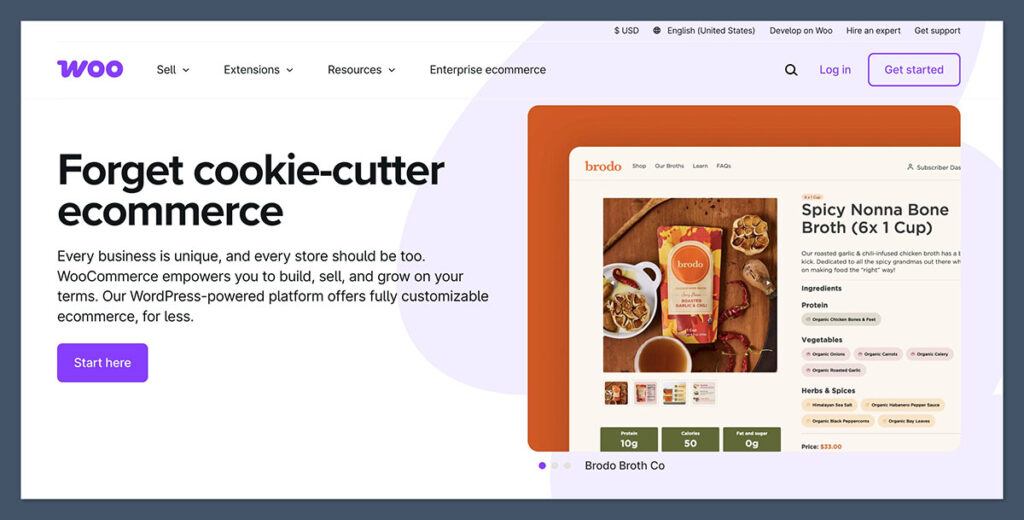
WooCommerce turns any WordPress site into an ecommerce store. If you already use WordPress or publish a lot of content, this is a natural choice.
It gives full control over the store while keeping costs manageable at smaller scales.
I liked the SEO capabilities and the flexibility to customize the checkout, catalog, and marketing features.
✔️ Pros
- Full ownership and open-source
- Excellent SEO with the right plugins
- Integrates seamlessly with content marketing
- Large developer community
❌ Cons
- You manage your own hosting, security, and backups
- Plugin conflicts can create problems
- Requires regular updates and technical maintenance
Bottom Line:
WooCommerce is ideal if you’re already on WordPress or want total control over your content and product experience.
4. PrestaShop – Best Lightweight Open-Source Platform
💰 Starting price: Free (self-hosted)
🎯 Best for: Cost-conscious stores that want full control
🧪 Free trial: Not applicable
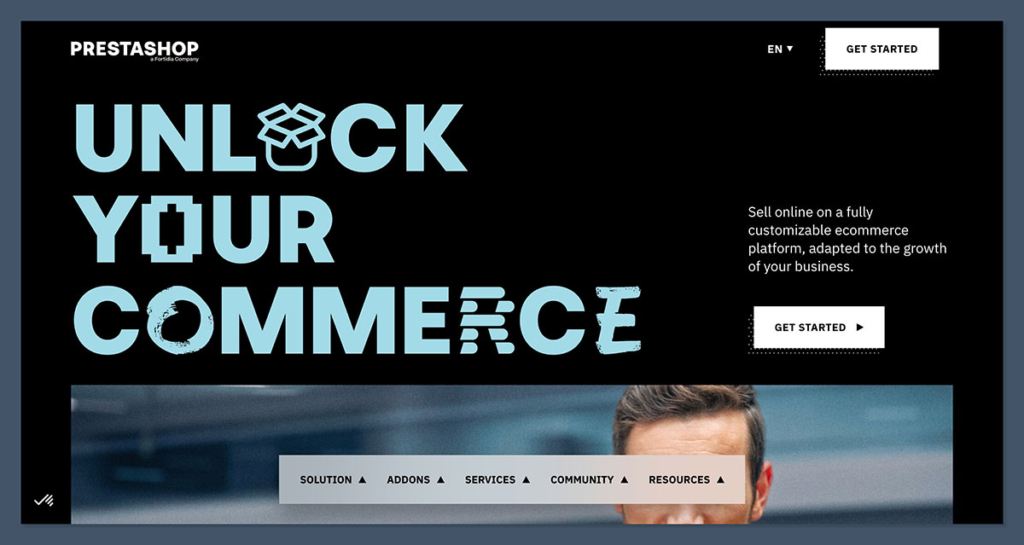
PrestaShop is an open-source ecommerce platform with strong adoption in Europe. It’s lighter than Magento but still flexible and feature-rich. You can self-host it for full control or use their paid hosted solution.
I found PrestaShop less intimidating than Magento but still powerful enough for serious ecommerce operations.
✔️ Pros
- No forced vendor lock-in
- Strong international and EU compliance features
- Active community and module ecosystem
- Flexible product configuration
❌ Cons
- Requires developer support for customizations
- Paid modules can get expensive
- Upgrade process needs careful planning
Bottom Line:
If Magento feels bloated but you still want control and flexibility, PrestaShop offers a strong middle ground.
5. OpenCart – Best for Simple Ecommerce Stores
💰 Starting price: Free
🎯 Best for: Small stores and basic online catalogs
🧪 Free trial: Not applicable
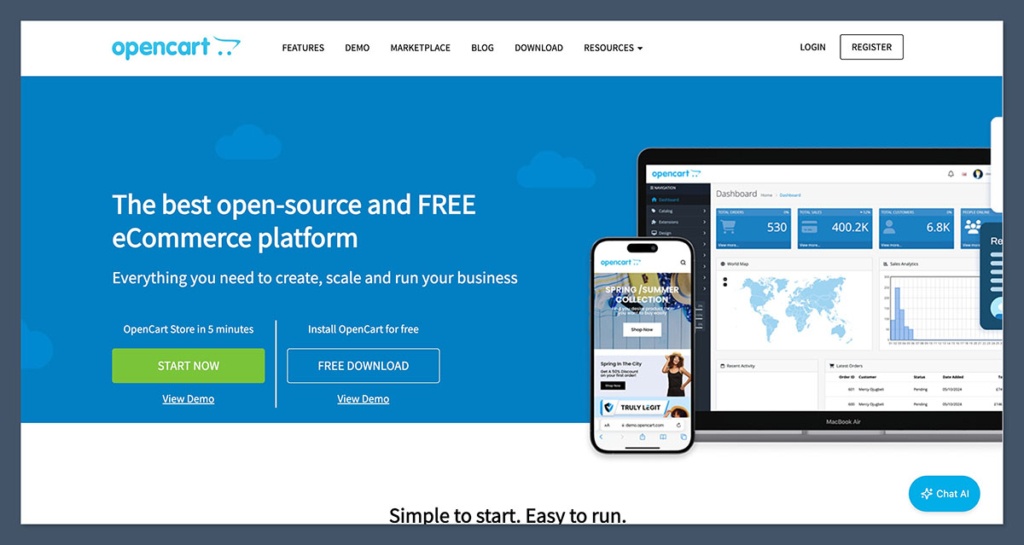
OpenCart is a no-frills ecommerce platform that’s easy to install and manage.
It doesn’t try to be everything to everyone, which makes it a good fit for smaller stores that want something functional without a big learning curve.
From my testing, it’s one of the quickest platforms to get started with, especially if you’re comfortable working with basic hosting.
✔️ Pros
- Low cost to launch and operate
- Straightforward admin panel
- Marketplace for themes and plugins
- Multi-store support
❌ Cons
- Limited scalability
- Fewer integrations and design options
- Smaller developer community
Bottom Line:
A solid Magento alternative if you’re launching a lean ecommerce site and want minimal setup.
6. Shopware – Best for Complex Catalogs and B2B
💰 Starting price: €600 per month (Community Edition is free)
🎯 Best for: Advanced ecommerce teams with development support
🧪 Free trial: Available for hosted version
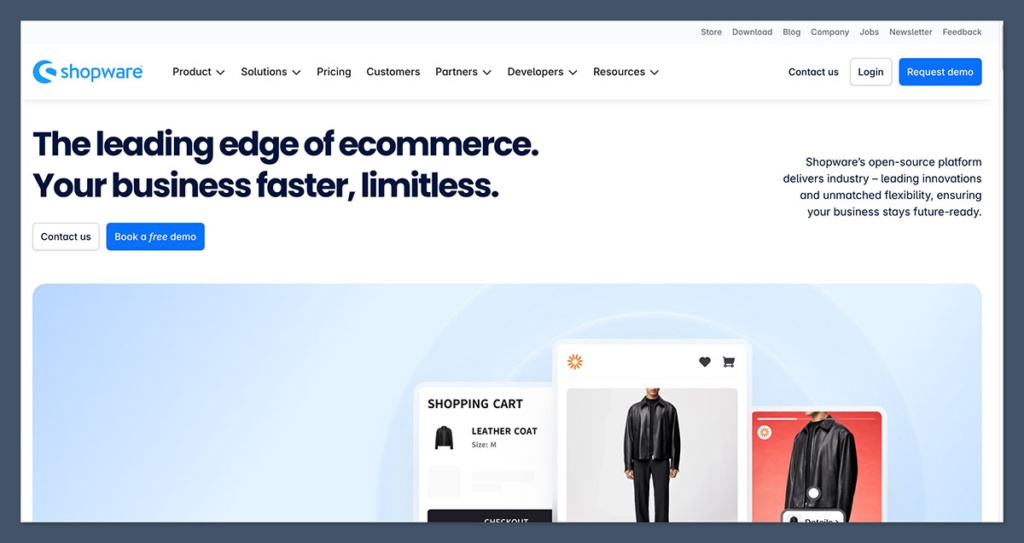
Shopware is a powerful open-source platform that supports both B2C and B2B, with advanced catalog management and rule-based pricing.
It’s popular in Europe and is gaining traction globally for enterprise ecommerce.
During testing, I found it most impressive for its headless support and deep product data structure.
✔️ Pros
- Great for large and complex catalogs
- Built-in B2B and CMS features
- Modern tech stack and APIs
- Free community edition for testing
❌ Cons
- Expensive paid plans
- Requires an experienced development team
- Limited third-party theme selection
Bottom Line:
For teams leaving Magento but still needing serious catalog and B2B power, Shopware is a solid step up.
7. Salesforce Commerce Cloud – Best for Salesforce Users

💰 Starting price: Custom quote
🎯 Best for: Enterprises already using Salesforce tools
🧪 Free trial: Not available
Salesforce Commerce Cloud is part of the Salesforce ecosystem and is built for large enterprises managing multi-brand, multi-site operations.
It’s deeply integrated with Salesforce CRM and Marketing Cloud.
It’s not a light lift, but for the right business, it offers seamless alignment between sales, marketing, and ecommerce.
✔️ Pros
- Enterprise-grade scalability
- AI-driven personalization
- Integrated with Salesforce’s full stack
- Strong international features
❌ Cons
- High implementation and licensing costs
- Long deployment times
- Requires technical support or an agency
Bottom Line:
If your company already uses Salesforce, this platform completes the ecosystem and scales with you.
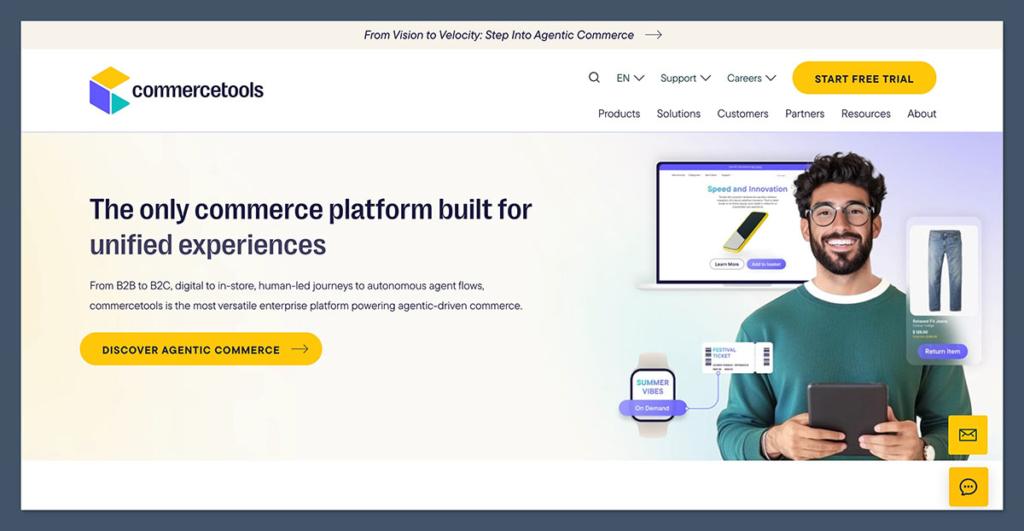
8. commercetools – Best for Composable Ecommerce Stacks
💰 Starting price: Custom quote (based on order volume)
🎯 Best for: Tech-forward teams building custom stacks
🧪 Free trial: Not available
commercetools is a modular, API-first platform designed for composable commerce. It’s best suited for engineering-led companies that want total freedom to build their stack, choose their frontend, and own every piece.
From my research, it’s popular among enterprise brands that want to future-proof their infrastructure.
✔️ Pros
- Headless and composable architecture
- Works with any frontend or CMS
- Scales well across regions
- Modular pricing based on usage
❌ Cons
- Requires a mature dev team
- No default frontend or templates
- Steep learning curve
Bottom Line:
For developers moving away from Magento but wanting full control and modern tech, commercetools is a smart option.
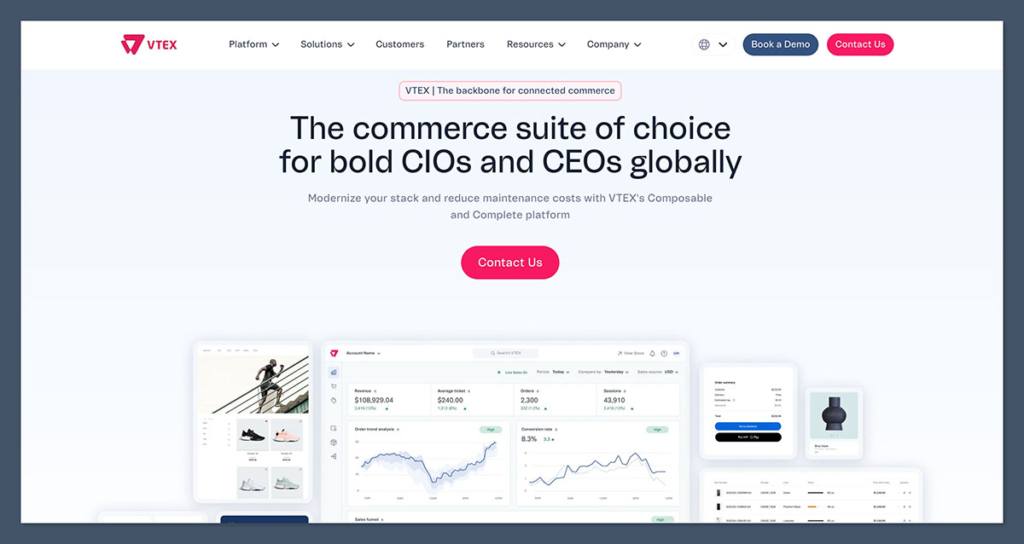
9. VTEX – Best for Unified Commerce and Marketplaces
💰 Starting price: Custom quote
🎯 Best for: Large companies running B2C, B2B, and marketplaces
🧪 Free trial: Not available
VTEX is built for companies needing one platform to manage everything, from DTC stores to third-party marketplaces. It includes headless support, order management, and B2B features in one system.
I found it competitive with Salesforce and commercetools but with a slightly more user-friendly setup.
✔️ Pros
- Unified commerce architecture
- Good mix of headless and pre-built tools
- Built-in marketplace management
- Supports B2B and B2C from one backend
❌ Cons
- High implementation costs
- Requires onboarding and training
- Custom pricing based on scope
Bottom Line:
If you’re scaling beyond standard ecommerce and need one platform for all your channels, VTEX is worth considering.
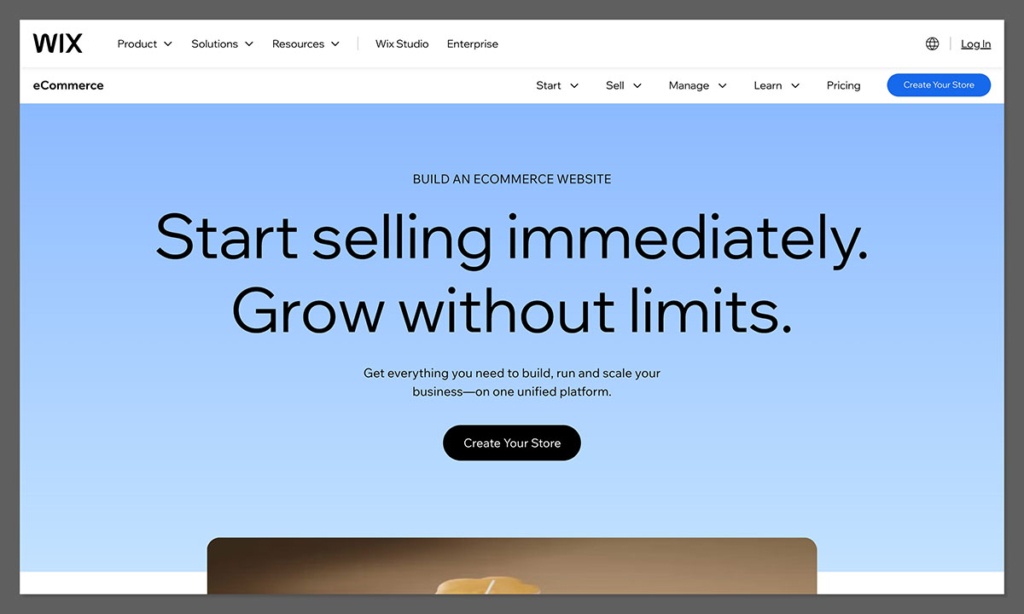
10. Wix – Best for Fast, Design-First Stores
💰 Starting price: $39 per month
🎯 Best for: Designers, small brands, and simple ecommerce setups
🧪 Free trial / plan: Free plan available
Wix has evolved into a capable ecommerce platform for small businesses and solo sellers. It stands out for its drag-and-drop editor, built-in templates, and ease of use. While it doesn’t support complex workflows or huge product catalogs, it’s perfect for launching quickly with minimal effort.
I found Wix especially useful for visual-first businesses, like fashion, health and beauty, or creative products, where the design of the storefront matters as much as the functionality.
✔️ Pros
- Intuitive visual editor
- 2,000+ design templates
- All-in-one platform with hosting and SSL
- Fast to launch and easy to manage
❌ Cons
- Limited tools for large catalogs or B2B
- Fewer integrations than Shopify or BigCommerce
- Can get slow if overloaded with apps
- Not ideal for international stores with complex needs
Bottom Line:
If you want to build a small store that looks good, loads fast, and doesn’t require a developer, Wix gets the job done, especially for first-time store owners.
11. Squarespace – Best for Elegant Storefronts and Service-Based Brands

💰 Starting price: $28 per month (billed annually)
🎯 Best for: Visual brands, creatives, and service businesses selling online
🧪 Free trial: 14 days
Squarespace is known for its clean, elegant templates and easy-to-use site builder. While it’s not built specifically for ecommerce, it does include everything you need to sell products, services, subscriptions, or digital goods. It’s especially strong for portfolios, service booking, and branded storefronts with a minimalist aesthetic.
In testing, I liked how straightforward the experience was. You don’t get as much flexibility as platforms like WooCommerce or Shopify, but you also don’t need to touch code or hire a designer to make your site look professional.
✔️ Pros
- Beautiful templates out of the box
- Built-in scheduling and booking tools
- Fast setup with guided site builder
- Solid ecommerce tools for basic needs
❌ Cons
- Limited backend and extension support
- No app store
- Less control over checkout and advanced ecommerce logic
- Not suitable for high-SKU stores or wholesale models
Bottom Line:
If your focus is on branding, clean design, and a user-friendly experience, Squarespace is a great way to launch a polished store without hiring a developer.
Magento Alternatives: Pricing Comparison
| Platform | Starting Price (USD/month) | Free Trial / Plan | Notes |
|---|---|---|---|
| Shopify | $39 | 3-day trial | Additional cost for apps and themes. $1/month intro offer available. |
| BigCommerce | $39 | 15-day trial | No transaction fees. Plans scale based on revenue. |
| WooCommerce | Free plugin | No | Requires paid hosting, theme, and extensions. |
| PrestaShop | Free (self-hosted) | No | Hosted version starts at €24/month. Modules often cost extra. |
| OpenCart | Free (self-hosted) | No | Pay for themes, extensions, and hosting separately. |
| Shopware | €600+ | Yes (hosted version) | Community Edition is free; paid tiers are enterprise-grade. |
| Salesforce Commerce | Custom pricing | No | Quote-based. Enterprise only. |
| commercetools | Custom pricing | No | Quote-based. Priced by usage and features. |
| VTEX | Custom pricing | No | Pricing varies by business model and size. |
| Wix | $39 | Free plan available | Ecommerce features on Business Basic plan or higher. |
| Squarespace | $28 (billed annually) | 14-day trial | Must upgrade to Commerce plan to sell online. |
| Magento Open Source | Free (self-hosted) | No | High TCO due to hosting, dev, and extension costs. |
| Magento Commerce | Custom pricing | No | Enterprise solution with license fees. |
Key Takeaways
- Free doesn’t mean zero cost. Open-source options like Magento, PrestaShop, and WooCommerce still require paid hosting, maintenance, and security.
- Shopify and BigCommerce offer the fastest launch with transparent pricing, though costs grow with scale.
- Salesforce, VTEX, and commercetools are enterprise-level solutions and usually require a dedicated team to manage implementation.
- Squarespace and Wix are affordable for simple stores but lack the power needed for large or complex ecommerce.
Final Verdict: What Should You Use Instead of Magento?
Choosing the right alternative depends on your priorities:
| Business Type | Recommended Platform |
|---|---|
| Fast-scaling DTC brand | Shopify |
| B2B or complex catalog | BigCommerce or Shopware |
| Content-driven store | WooCommerce |
| Small, simple storefront | OpenCart or Wix |
| Enterprise team with dev support | commercetools or Salesforce |
| International or marketplace setup | VTEX |
Magento served a purpose in the past. Today, there are faster, smarter, and more cost-effective ways to run an ecommerce store.
Each of these platforms offers a better experience depending on what you need. Take advantage of free trials, start small, and scale only when your store demands it.


