
 By Bogdan Rancea
Choosing an ecommerce platform for dropshipping isn’t just about saving cash on monthly fees, it’s about picking a system that lets you get up and running quick, test out new products with ease, and scale without hitting too many roadblocks.
After putting in the time to test and compare features on some of the top platforms, I’ve narrowed it down to the seven best ecommerce platforms for dropshipping in 2026.
Each one has its strengths and weaknesses depending on your business size, goals, and supplier model.
To make it easier to compare, I’ve broken it all down for you.
Quick Comparison Table
| Platform | Best For | Starting Price (USD) | Free Plan Available | Supplier Types Supported |
| Shopify | Fast scaling, automation, largest app ecosystem | $29/month | No | AliExpress, POD, US & EU |
| WooCommerce | Full customization, control, and open-source features | Free plugin (plus costs) | No | All types |
| BigCommerce | Built-in features for large catalogs and scaling | $39/month | No | AliExpress, POD, US & EU |
| Wix | Simple setup for beginners | $17/month | Yes | Modalyst (AliExpress & US/EU) |
| Squarespace | Premium storefront design with dropshipping extensions | $16/month | No | Spocket, Printful |
| Square Online | Online + in-person selling with POD | Free | Yes | Print-on-demand only |
| Shift4Shop | US sellers wanting a no-fee option | Free (if eligible) | Yes | Limited app support |
1. Shopify: Best for Fast Growth and Automation
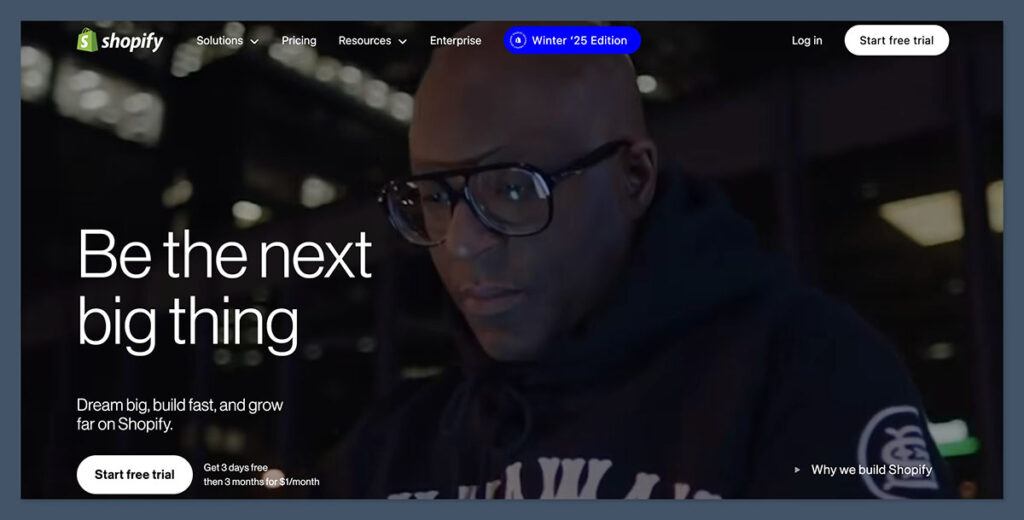
Starting from just $29/month (Basic plan)
If you’re looking for the fastest way to start a dropshipping store and scale it to hundreds of orders a day, Shopify remains the top choice overall.
I’ve used Shopify to launch product tests in less than 24 hours – the app ecosystem is seriously unmatched.
Shopify makes it a breeze to connect to AliExpress via DSers, manage inventory, and automate fulfillment. You can also connect with top apps like Printful, Spocket, and Printify for more supplier options.
Pros
- DSers for bulk AliExpress orders
- Tons of apps for upsells, reviews, email, and analytics
- Built-in marketing tools and SEO setup
- Templates designed for ecommerce performance
Cons
- Apps can add up in cost
- Limited customization unless using Shopify Plus
- High transaction fees with third-party payment gateways
Key Features
- Sell an unlimited number of products
- AI tool: Shopify Magic
- One-click fulfillment with popular dropshipping apps
- Scale to hundreds of orders per day easily
Shopify Pricing
| Plan Name | Monthly Price (Billed Annually) | Includes |
| Basic Shopify | $29 | Online store, 2 staff accounts, basic reports |
| Shopify | $79 | 5 staff, pro reports, international domains |
| Advanced | $299 | 15 staff, lower transaction fees, advanced reports |
At $29/month for the Basic Shopify plan, you get access to the full Shopify store builder, product catalog management, and sales channels like Facebook, Instagram, and Google Shopping.
The $79/month Shopify plan unlocks more analytics, international pricing, and better shipping discounts. If you need advanced reports and lower transaction fees, go with the Advanced plan.
If you plan to scale, Shopify justifies its price by removing friction at every stage – from product testing to fulfillment and growth. It’s my top pick for sellers who want to move fast.
2. WooCommerce: Best for Customization and Flexibility
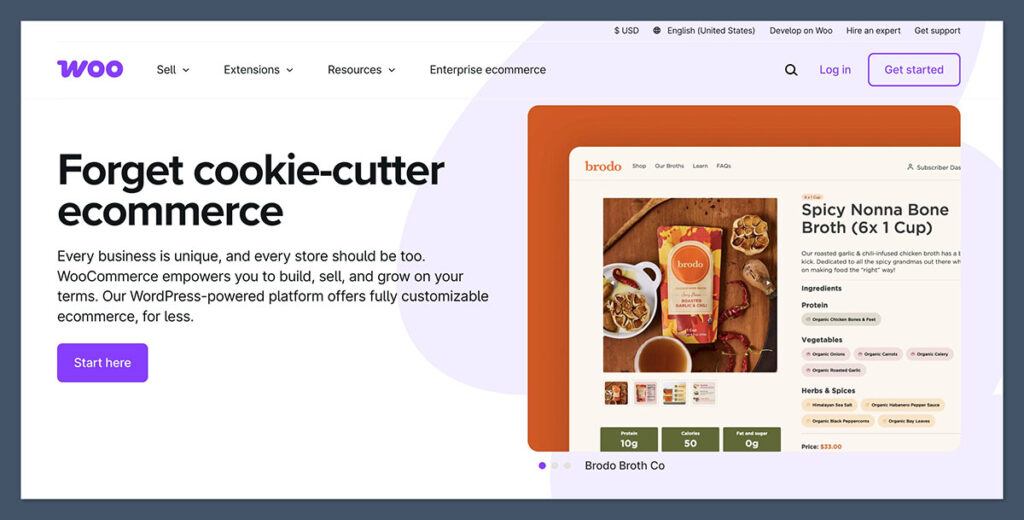
Free plugin; other costs vary
If you already use WordPress or want full control over every part of your ecommerce store, WooCommerce is the best dropshipping platform for custom setups.
You’re not locked into platform limits, and you can manage the full stack from hosting to checkout.
I’ve used WooCommerce when building stores that needed unique workflows, bundling rules, or a heavy content strategy.
Pros
- 100% customizable with no platform restrictions
- Strong SEO capabilities via WordPress
- One-time payments for many features vs monthly subscriptions
- Connects with Printful, AliDropship, Syncee, and more
Cons
- You need to manage hosting, updates, and plugin compatibility
- Can get technical, especially with scaling
- Not as beginner-friendly as hosted platforms
WooCommerce Dropshipping Options
- AliExpress: ALD plugin or AliDropship
- Print-on-Demand: Printful, Printify
- US/EU Suppliers: Spocket, Syncee
- Wholesale: Wholesale2B, Inventory Source
Estimated Monthly Cost
| Expense Category | Monthly Range |
| Hosting | $10 to $25 |
| Domain name | $1 to $2 |
| Premium plugins/themes | $0 to $50 |
With WooCommerce, there are no monthly subscription fees to break the bank.
Sure, you can go the free route with themes and plugins but if you’re looking to do things the easy way with automated AliExpress fulfilment, product bundles or top shelf designs then be prepared to shell out $20 to $50 a month.
To be honest your hosting options are pretty flexible – you can go with a provider that fits your preformance or budget needs.
This platform is perfect for sellers who like being in the driving seat. If you’re confident in your WordPress abilities, then WooCommerce offers a solid foundation without any pesky platform fees hanging over your head.
3. BigCommerce: Best for Built-In Tools & Scaling
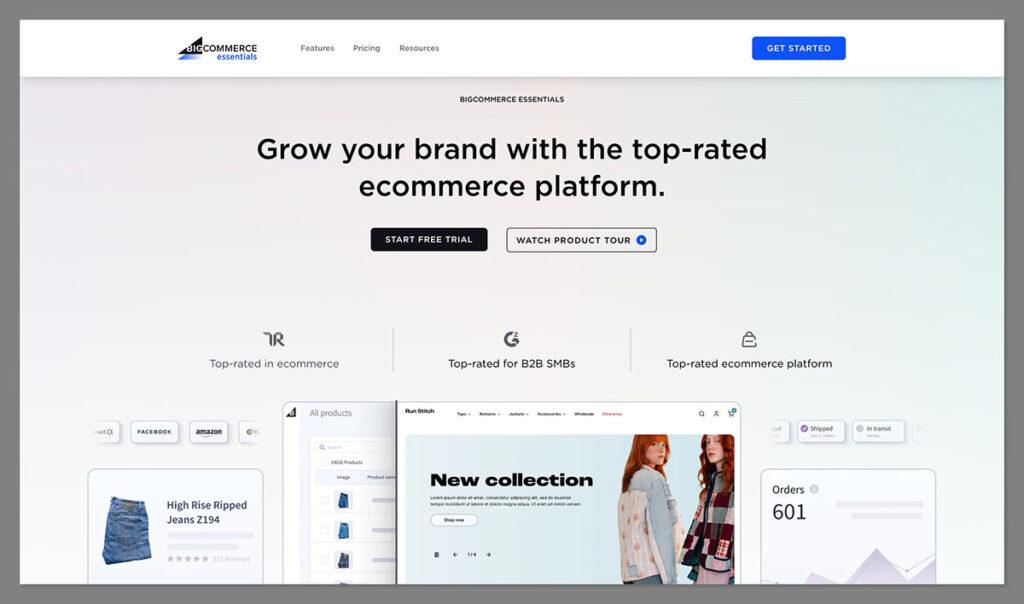
Starting at $39/month
BigCommerce is an ecommerce platform for businesses that want to scale-up. I personally like to use BigCommerce when I want a solid ecommerce foundation that gives me core ecommerce features straight out of the box, without having to rely on a bunch of third party apps.
It’s not as flashy as Shopify, but performance is rock solid and dependable. You still get dropshipping support via apps like Spocket and Printful.
Pros
- Native support for big inventory levels
- No transaction fees on any plan
- Supports multiple sales channels (Amazon, eBay, etc.)
- Fast page loading and SEO tools come built-in
Cons
- Smaller app marketplace compared to Shopify
- Steeper learning curve for newbies
- Some features not available unless you pay for a higher tier
Dropshipping Features
- BigCommerce has a whole category of dropshipping apps in their App Store
- Supports AliExpress importers and US/EU suppliers
- B2B functionality in higher tiers
BigCommerce Pricing
| Plan Name | Monthly Price | Key Features |
| Standard | $39 | Basic store setup, up to $50k annual sales |
| Plus | $105 | Abandoned cart saver, customer segmentation |
| Pro | $399 | Google reviews, product filtering, $400k cap |
The Standard plan gets you everything you need to launch a basic dropshipping store, including Spocket and Printful integration.
Plus adds those revenue driving features like abandoned cart emails and advanced customer groups – great once you’re bringing in some solid traffic.
Pro is built for the big leagues, introducing product search filtering and higher revenue caps.
BigCommerce is great for stores that need a solid native feature set and expect to grow pretty quickly. It’s perfect for mid-sized teams or anyone who just prefers built in tools over third party apps.
4. Wix: Best for Beginners with Simple Stores
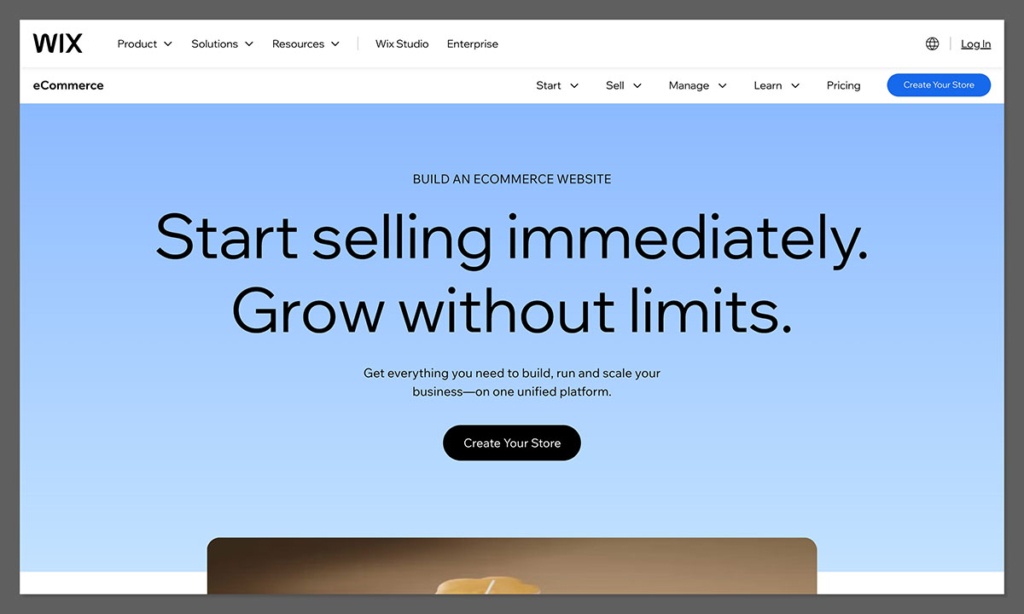
Starting at $17/month
Wix is the perfect option for anyone just getting started and wants a no-fuss dropshipping setup. The integration with Modalyst is right there in Wix’s ecommerce dashboard, which is perfect for newbies.
I reckon Wix is great for smaller catalogs or creatives launching a few niche products without needing to get into deep customization or heavy automation.
Pros
- Drag-and-drop builder with over 500 templates
- Modalyst integration comes standard
- Easy onboarding process for first time sellers
- Affordable pricing plans with ecommerce support
Cons
- Not built for big scale dropshipping
- Can get bogged down with bigger product catalogs
- SEO and performance optimisation is a bit more limited
Wix Ecommerce Features
- Sell digital or physical products
- Connect with suppliers via Modalyst
- Automatic order syncing and fulfilment
- Mobile-optimised templates for storefronts
Wix Pricing
| Plan Name | Monthly Price | Best For |
| Business Basic | $17 | Small stores, essential ecommerce tools |
| Business Unlimited | $27 | Moderate catalog size, more automation |
| Business VIP | $35 | Full feature set, priority support |
The Business Basic plan gets you the basic ecommerce tools like product listings, checkout and payment processing.
Unlimited adds more bandwidth, advanced analytics and access to dropshipping apps like Modalyst. VIP gives you full priority support, enhanced storage and professional reporting – ideal for small businesses that want a smoother backend experience.
Wix is perfect for entrepreneurs and creatives who just want to get online without the hassle of techy details. It’s not built for scaling huge operations but it’s reliable for small to mid-sized catalogs.
5. Squarespace: Best for Branded Storefronts & POD
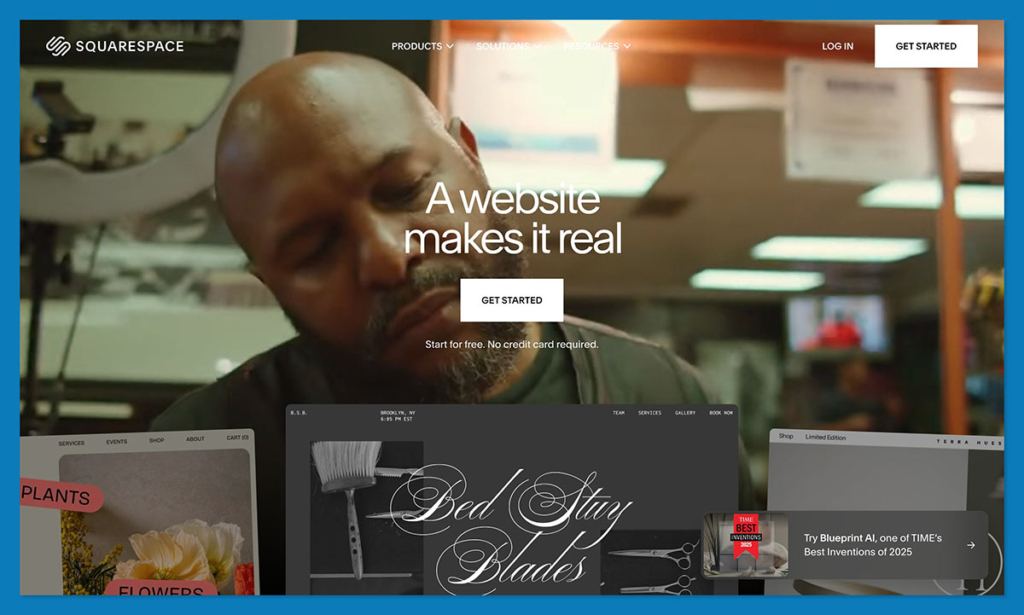
Starting at $16/month
Squarespace often gets a bad rep as being a design-only platform, but that reputation is well-deserved. I recommend it for dropshippers who care about how their brand looks – especially for POD products or curated collections.
It’s not ideal for big catalogs or AliExpress-style setups but for smaller boutique stores, it’s a solid choice. Dropshipping is available through Spocket and Printful extensions.
Pros
- Top notch design templates for mobile and desktop
- Seamless integration with Printful and Spocket
- Good inventory and product display options
- AI website builder available
Cons
- No access to advanced automation or custom workflows
- Limited third party app support* Not made to handle large and complex product catalogs
Dropshipping Support – When You’re Just Starting
- POD: Printful and Printify tied into via Extensions
- Curated goods: Spocket for US and EU suppliers to help you get started
Squarespace Pricing – A Look Inside
| Plan Name | Monthly Price | Features |
| Business | $23 | Basic commerce tools with transaction fees |
| Commerce Basic | $27 | No fees, merchandising tools |
| Commerce Advanced | $49 | Subscriptions, cart recovery, advanced shipping |
With the Business plan you can start selling online but you’ll be paying a transaction fee on every sale.
Commerce Basic gets rid of those fees and gives you access to advanced merchandising tools and customer accounts.
Commerce Advanced includes features like abandoned cart recovery and recurring subscriptions which are a big plus for brands building customer loyalty.
Squarespace is great for smaller dropshipping brands that value presentation. Its focus on aesthetics and ease of use makes it perfect for POD and design-forward stores.
6. Square Online – Great for Selling Face to Face & Online
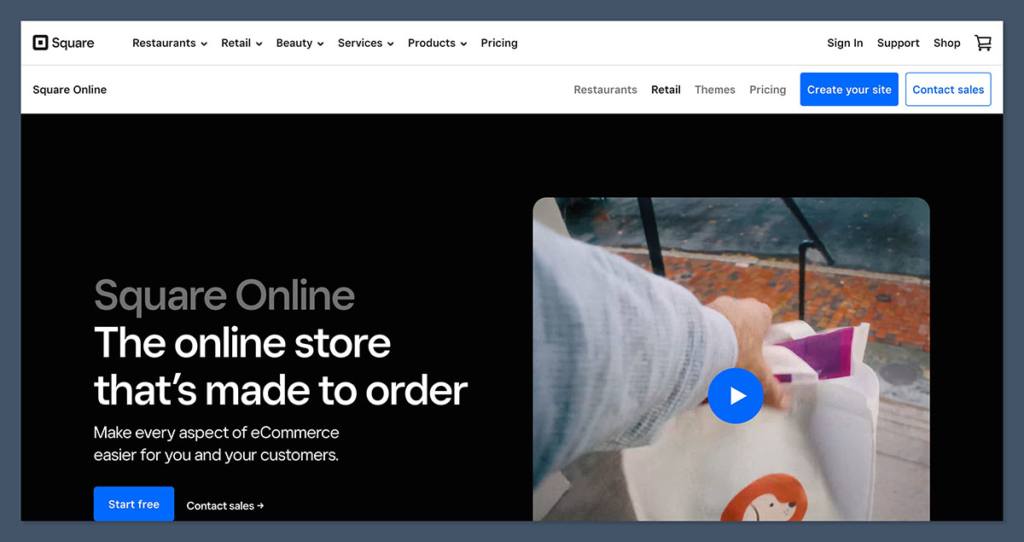
Free plan available, paid plans from $29/month
Square Online is worth a look if you also sell at events, markets or have a retail location. It syncs automatically with Square POS and supports Printful for dropshipping.
I’ve used this with simple POD setups where I also need a card reader at events. It’s an easy all-in-one ecosystem for small businesses.
Pros
- Integrates seamlessly with Square POS system
- Easy to connect with Printful
- No upfront cost with free plan – that’s a big plus
- Good for sellers who sell in multiple channels
Cons
- Limited supplier integrations beyond POD
- Not ideal for AliExpress-style dropshipping
- Fewer customization options than Shopify or WooCommerce
Square Online Pricing – A Look Inside
| Plan Name | Monthly Price | Best For |
| Free Plan | $0 | Testing and basic selling |
| Plus | $29 | Branded store, domain, customer reviews |
| Premium | $79 | Shipping discounts, priority support |
The Free plan lets you build and launch a store with Square branding and limited customization. Plus removes branding, allows for custom domains and adds features like item reviews.
Premium unlocks advanced shipping options and boosts performance tools – great for sellers fulfilling orders through Printful or other POD services.
If you’re running both online and retail operations, Square makes it easy to keep everything synced. It’s also a great entry point for brands testing ecommerce.
7. Shift4Shop – The Best Free Option (Only for US Sellers)
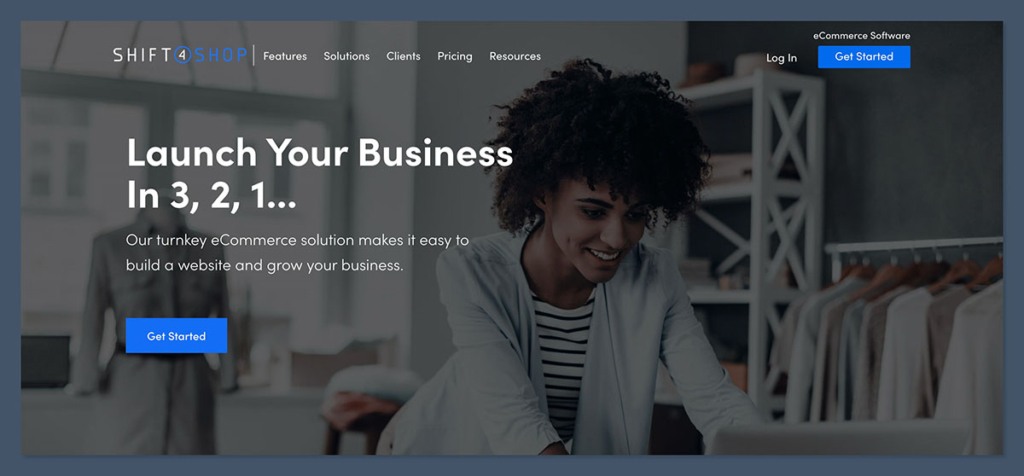
Free if using Shift4 Payments
Shift4Shop offers one of only a few ecommerce platforms that has a completely free plan. The trade-off is you need to use their payment processor which is only available to US-based merchants.
If you qualify, this can be a great low-risk way to get started with dropshipping.
Pros
- No monthly fee for eligible US sellers
- Good set of built-in ecommerce tools
- Built-in blog, email and SEO tools
- Import/export options for product catalogs
Cons
- Payment processor requirement – that’s not ideal
- Smaller app ecosystem compared to others
- Less modern interface than competitors
Shift4Shop Dropshipping Support – Not as Extensive
- Connects with dropshipping plugins and supplier tools
- Not as extensive as Shopify or WooCommerce
The End-to-End plan includes full access to all Shift4Shop features at no monthly cost, as long as you use their built-in payment gateway.
If you prefer another provider or don’t qualify for Shift4, you can pay for a traditional plan starting at $29. Both plans include SEO tools, product management and support for dropshipping integrations.
This is a great low-risk option for budget-conscious US sellers. If you qualify, you get most of what you’d expect from Shopify or BigCommerce, without the monthly subscription fee.
Final Thoughts: Which Dropshipping Platform Should You Use?
Here’s a quick summary of what I think:
| Use Case | Recommended Platform |
| Fast setup and testing | Shopify or Wix |
| Full customization and SEO | WooCommerce |
| Print-on-demand focus | Squarespace or Shopify |
| Large catalogs and scaling | BigCommerce |
| Selling in-person too | Square Online |
| Budget-conscious (US only) | Shift4Shop |
Every platform on this list has its strengths. The best ecommerce platform for dropshipping depends on your needs, your type of product and how comfortable you are with technology.
Take advantage of free trials where you can – that will help narrow down your options and bring you closer to a profitable, low-maintenance dropshipping setup.


